Modern plants rely on steady thermal regulation and precise digital management. Advanced boiler controls have changed how industries maintain energy flow and safety balance. Their automated responses deliver quicker decisions and reduce downtime across production settings. Efficiency levels in Steam boiler industrial systems continue improving through predictive, data-driven supervision.
Precision Control Systems in Action
Modern control setups link multiple sensors and smart regulators into one network. They monitor temperature, pressure, and feedwater levels continuously. When variations appear, they instantly restore balance. The coordination between hardware and software forms the foundation of every stable steam system.
Balancing Load and Pressure Effectively
Steam generation stability depends on aligning load demands with internal pressure. Control algorithms measure flow rates to maintain a consistent supply. As adjustments occur, the boiler maintains smooth pressure transitions. This harmony prevents mechanical stress and ensures sustained thermal reliability.
Automation Enhancing Operational Consistency
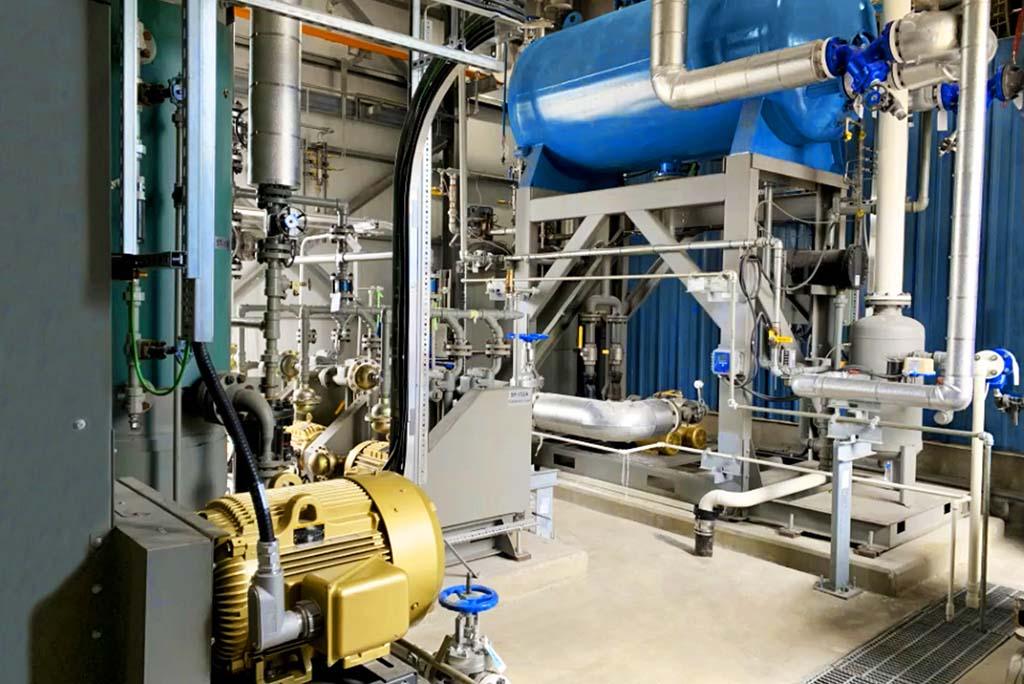
Automation simplifies oversight while increasing responsiveness. It synchronizes multiple variables without constant manual correction. This coordinated process produces uniform steam even during shifting workloads. The application of Steam boiler industrial automation ensures durability and improved operational predictability.
How Do Control Systems Improve Safety?
Automation significantly strengthens plant safety through instant corrective action. If parameters exceed safe ranges, automatic shutdowns activate within seconds. Operators gain extra confidence knowing the system guards against unexpected hazards. Real-time diagnostics also provide early warnings for maintenance scheduling and quick issue isolation.
Digital Monitoring for Real-Time Accuracy
Digital dashboards create clear visibility into every stage of boiler performance. The recorded data helps supervisors identify subtle efficiency drifts before escalation. Real-time analysis supports proactive decisions for smoother plant operations. Over time, this digital awareness becomes the cornerstone of reliability and trust.
Key Functional Enhancements in Modern Controls
Control upgrades redefine performance through smarter integration and refined responsiveness. These systems adapt seamlessly to evolving production targets.
- Automated feedback maintaining consistent steam pressure
- Variable frequency drives optimizing energy flow
- Multi-sensor integration balancing heat and water supply
- Predictive fault alerts ensuring continuous uptime
Each improvement contributes to tighter accuracy and fewer manual adjustments. Teams benefit from clarity, fewer reactive measures, and longer equipment lifespan overall.
Essential Benefits Driving Industrial Adoption
Enhanced control technologies offer measurable advantages across plant operations. They translate digital insight into efficient, safe production cycles.
- Faster reaction to fluctuating load requirements
- Streamlined diagnostics reducing maintenance delays
- Improved combustion efficiency across fuel variations
- Greater operational consistency during heavy workloads
These outcomes highlight why industries prefer upgraded automation frameworks. Facilities gain higher productivity and steady cost efficiency with each deployment.
Continuous Advancements Defining Boiler Reliability
Innovation in control software keeps boilers more adaptive and responsive each year. Communication between sensors grows faster, and error margins shrink steadily. Such advancements build confidence among operators managing complex steam systems. As evolution continues, performance stability becomes the defining hallmark of industrial reliability.