Understanding the Oral Ecosystem
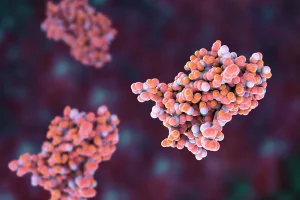
The human mouth harbours an extraordinarily complex ecosystem comprising hundreds of bacterial species, fungi, viruses, and other microorganisms. This intricate community, known as the oral microbiome, plays a fundamental role in maintaining dental health and overall wellbeing. Recent advances in microbiome analysis have opened new pathways for understanding how these microscopic inhabitants influence everything from cavity formation to systemic health conditions. The shift from traditional reactive dentistry to proactive, personalised care represents a significant evolution in how a dentist Coorparoo approaches patient treatment.
Modern dental practices are increasingly recognising that the mouth is not merely a collection of teeth requiring mechanical maintenance, but rather a dynamic biological environment. The balance between beneficial and potentially harmful microorganisms determines whether an individual experiences optimal oral health or develops conditions such as tooth decay, gum disease, or persistent bad breath. By analysing the specific composition of a patient’s oral microbiome, practitioners can identify imbalances before they manifest as visible problems, allowing for targeted interventions that support microbial harmony.
The Science Behind Microbiome Testing
Dental microbiome analysis employs sophisticated genetic sequencing technologies to identify and quantify the various microorganisms present in oral samples. Unlike traditional culture-based methods that can only detect organisms capable of growing in laboratory conditions, modern sequencing techniques provide a comprehensive picture of the entire microbial community. This approach reveals not only which species are present but also their relative abundance, offering insights into the ecological balance that determines oral health outcomes.
Research has demonstrated that specific bacterial profiles correlate with different oral health conditions, enabling practitioners to predict disease risk with greater accuracy. The process typically involves collecting a saliva sample or swabbing specific areas of the mouth, which is then subjected to DNA analysis. The resulting data creates a microbial fingerprint unique to each individual, revealing patterns that might indicate current issues or future susceptibilities. This personalised information allows a dentist to develop tailored prevention strategies rather than relying solely on generalised oral hygiene recommendations.
Shifting from Reactive to Proactive Care
Traditional dental care has historically focused on treating problems after they develop—filling cavities, treating infections, or addressing gum disease once symptoms appear. Microbiome analysis fundamentally challenges this reactive model by enabling practitioners to intervene before disease establishes itself.
When testing reveals an overabundance of cariogenic bacteria or a deficiency in protective species, dental professionals can recommend specific interventions to restore balance. These might include tailored dietary modifications, targeted probiotic supplementation, or adjustments to oral hygiene practices that support beneficial microbial populations whilst discouraging harmful ones.
Personalised Prevention Strategies
The insights gained from microbiome analysis enable truly personalised prevention plans. Rather than prescribing identical care routines to every patient, practitioners can now recommend strategies based on individual microbial profiles. Someone with elevated levels of acid-producing bacteria might benefit from particular dietary adjustments and more frequent pH monitoring, whilst another patient with inflammatory markers might require targeted approaches to support gum health. This precision approach represents a departure from one-size-fits-all dentistry towards genuinely individualised care.
Furthermore, understanding the oral microbiome’s role in systemic health has expanded the scope of preventive dentistry beyond the mouth itself. The oral cavity serves as a gateway to the body, and imbalances in oral bacteria have been linked to various systemic conditions. By maintaining a healthy oral microbiome, patients may reduce risks that extend far beyond dental concerns, highlighting the interconnected nature of human health.
Practical Applications in Modern Dentistry
Dental practices incorporating microbiome analysis into their preventive protocols are witnessing transformative results in patient outcomes. The technology allows for monitoring changes in microbial composition over time, providing objective measures of treatment success and enabling course corrections when needed. Patients gain a deeper understanding of their oral health status through visual representations of their microbial communities, fostering greater engagement with their preventive care routines.
The integration of oral microbiome testing into biological dentistry approaches reflects a broader movement towards holistic, biology-based care. This methodology recognises that optimal oral health emerges from supporting the body’s natural defence mechanisms rather than simply combating disease after it appears. As the technology becomes more accessible and affordable, microbiome analysis is poised to become a standard component of comprehensive dental assessments.
The Future of Preventive Oral Healthcare
Dental microbiome analysis represents more than just another diagnostic tool—it embodies a fundamental shift in how oral healthcare is conceptualised and delivered. By illuminating the microscopic world within the mouth, this technology empowers both practitioners and patients to take proactive steps towards maintaining oral health. As understanding of the oral microbiome continues to deepen, the possibilities for personalised, preventive care will only expand, promising a future where dental disease becomes increasingly preventable through targeted, science-based interventions.