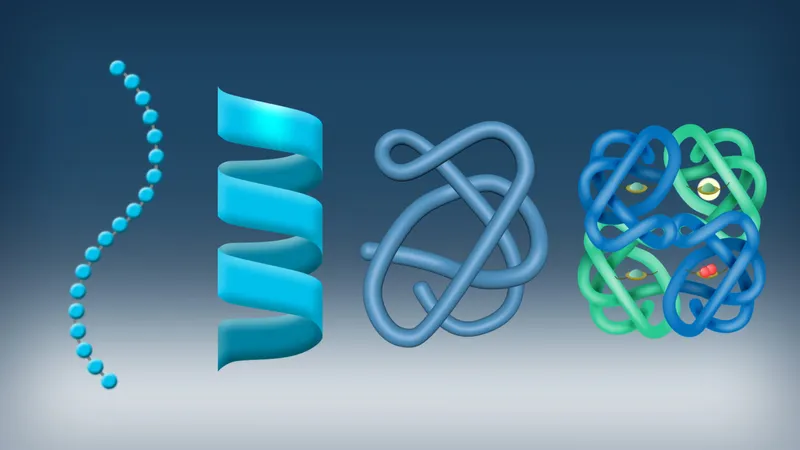
Peptides are small chains of amino acids that help explain how many natural processes work. Their arrangement affects shape, stability, and activity within living systems. Researchers study these molecules to understand their basic properties and possible uses.
The website https://certified-pep.com/ provides a reference point for learning about peptide related information. Understanding their building blocks makes complex scientific ideas easier to follow. Each chain has distinct features that depend on its length and the order of its parts.
Amino Acids Form Basic Molecular Units
Amino acids act as building blocks, joining together to create peptide chains with specific properties that influence their overall structure and behavior.
Bonds Connect Individual Amino Acids
Peptide bonds link neighboring amino acids through a chemical reaction, creating a connected chain that maintains the molecule’s basic framework.
Chain Length Influences Molecular Properties
Some chains contain only a few amino acids, while longer ones contain many units that affect their shape and physical characteristics.
Water Interaction Changes Molecular Behavior
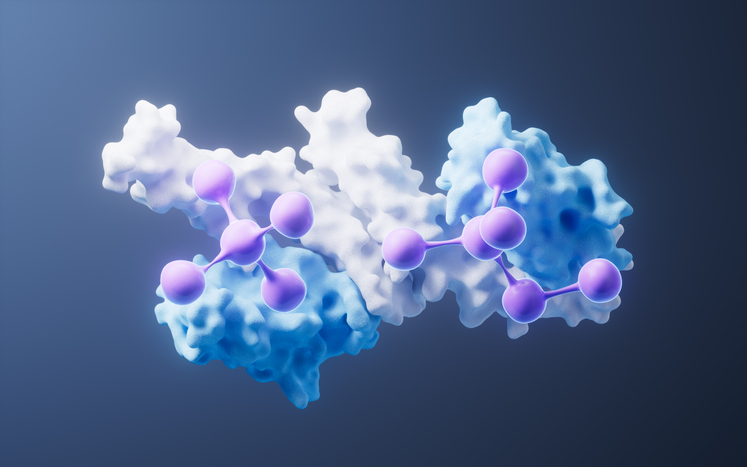
Some amino acid groups interact readily with water, while others avoid it, affecting how peptide chains behave within different environments.
- Water can influence chain folding.
- Electrical charges affect attracion.
- Temperature may change stability.
- Surrounding chemicals can alter structure.
- Molecular size influences movement.
Electrical Charges Influence Peptide Interactions
Charged groups can attract or repel nearby molecules, shaping how peptides interact with their surroundings under particular chemical conditions.
- Positive groups attract negative charges.
- Similar charges may repel each other.
- The surrounding acidity affects charge.
- Salt levels can change interactions.
- Charge patterns influence molecular behavior.
Side Groups Create Different Characteristics
Each amino acid has a side group that influences electrical charge, water interaction, and how the chain folds into a particular shape.
Molecular Order Determines Chain Identity
The sequence of amino acids gives each peptide its identity, making the precise order important when studying structure, stability, and function.
Chemical Composition Supports Accurate Analysis
Researchers examine the elements within a molecule to understand its makeup, compare samples, and identify differences between related peptide structures.
Three Dimensional Shapes Affect Stability
A chain can bend or fold into different forms, while surrounding conditions may influence its shape, strength, and ability to remain stable.
Research Uses Require Careful Evaluation
Peptide studies require accurate identification, controlled testing, and suitable oversight to ensure findings are interpreted responsibly.
- Confirm the source of samples.
- Review available quality information.
- Use suitable testing methods.
- Follow laboratory safety rules.
- Interpret results within their limits.
Learning about peptide composition helps readers assess scientific information without relying on unsupported claims. The website https://certified-pep.com/ can serve as a starting point for further reading. Check source quality, review available evidence, and seek qualified scientific guidance before drawing conclusions about particular substances.